You wouldn’t really know it was there. But it’s worth seeking out.
Walk in to the RBS West End branch at 142 Princes Street and take a look at the two display panels on the right.
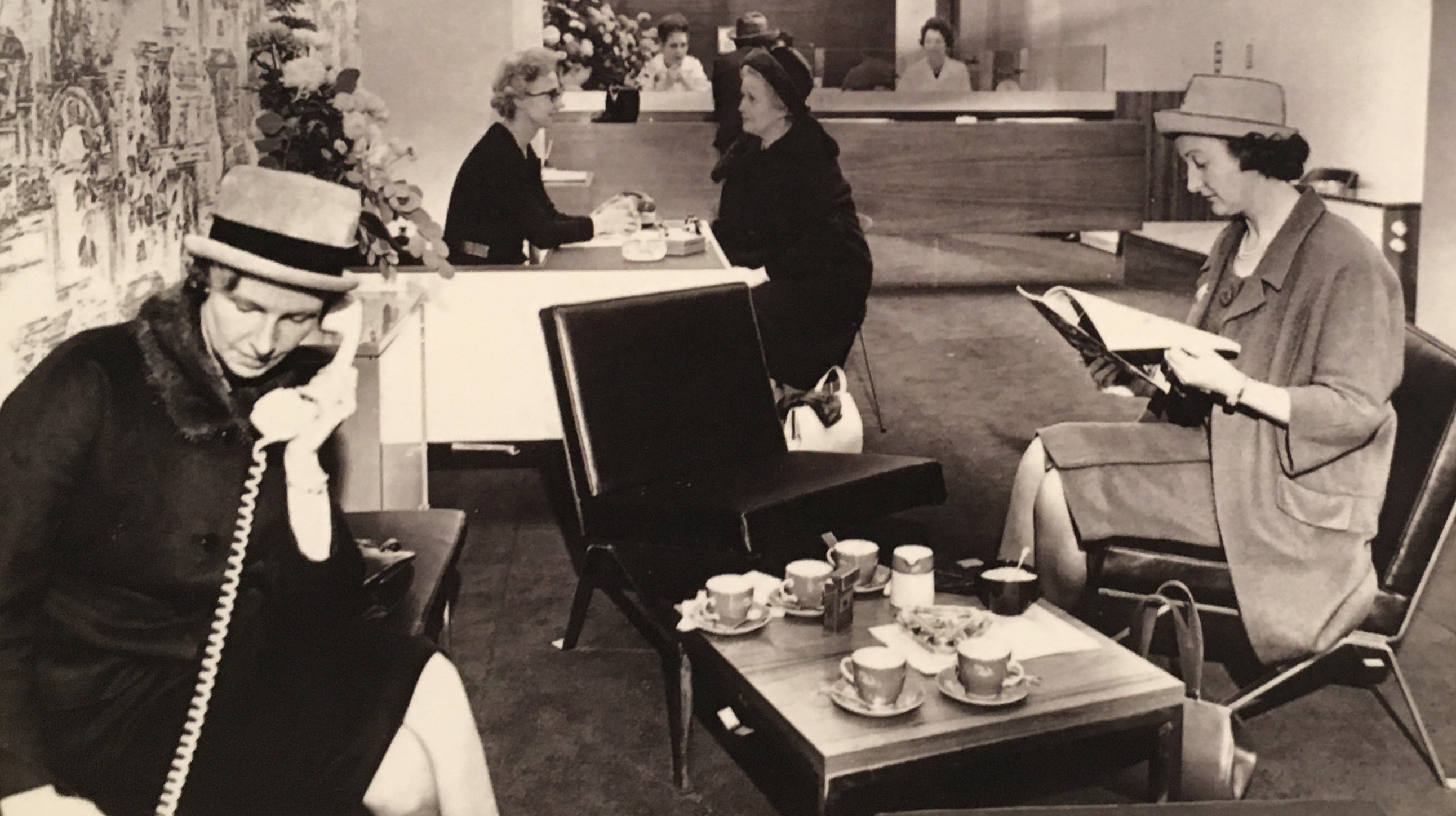
They chronicle its launch in 1964 as Britain’s first “ladies” bank. Like many good innovations it came from Down Under – in this case New Zealand, the first country to give women the vote.
It was then a branch of the National Commercial Bank whose general manager had seen a ladies branch visiting Auckland.
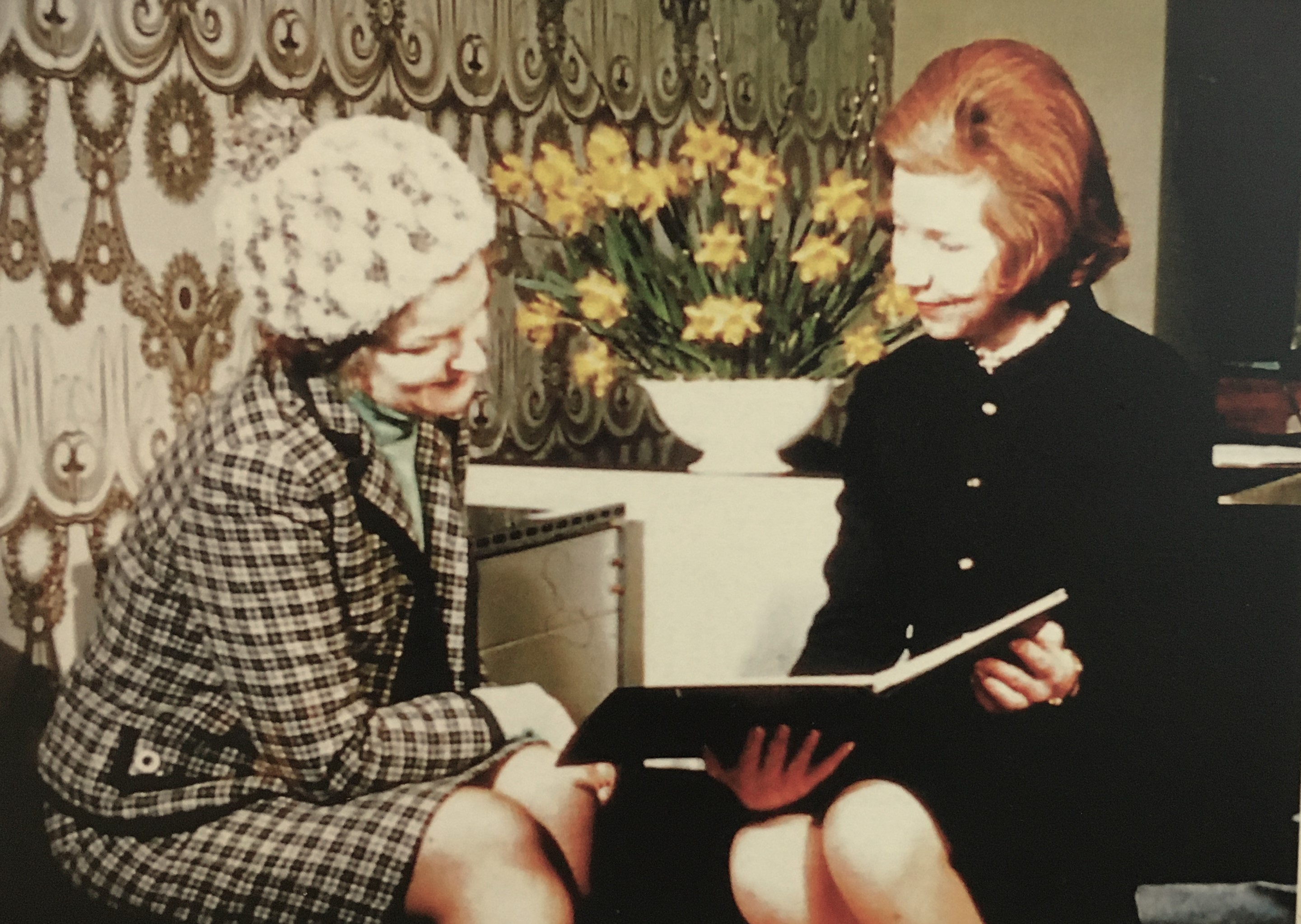
Women could do all their banking business served by other women and even the branch manager was female. It generated press coverage, much of it facetious and patronising.
Next stop is just round the corner to Charlotte Square. In the original plans it was named after St George but since George Square already existed in the Old Town, they had to choose another name, Charlotte being the daughter of George III.
The square’s gardens provided the first battleground for Elsie Inglis, celebrated doctor and founder of the Scottish Womens’ Hospitals (SWH). She went round the house owners in the square to ask if she and her pals in a nearby school could play there. They all agreed.
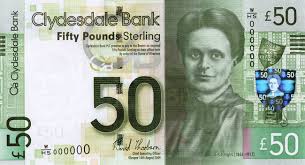
A later rebel was Helen Lowe,who established her own accountancy practice based for decades in the square. She died in 1997 just short of her 100th birthday, without leaving a will for her £7 million estate. This prompted media interest, depicting Lowe her as a some dotty spinster. She was anything but.
Lowe was deeply involved in scores of charities and led a campaign in 1957 to keep the original rule that patients should be treated by women doctors at the Elsie Inglis Memorial Hospital and the Bruntsfield Hospital.
Protestors filled the Usher Hall and a petition was delivered to the Scottish Secretary. It was finally settled at the Court of Session which ruled in the campaign’s favour.
“We don’t give in just as easy as that” she told me (then a reporter) in 1993 during a second battle to save the hospital itself from closure which proved unsuccessful.
Eileen Crofton dedicated her book on Royaumont, the first SWH hospital, to Helen Lowe who provided her with encouragement and a wealth of material particularly on the later annual reunions of the Band of Sisters.
Next stop is to head down Princes Street (even better, walk in the gardens that run parallel) turn right at the Mound and head up to the Bank of Scotland HQ where there is a smashing wee banking museum (free entry and great for kids).
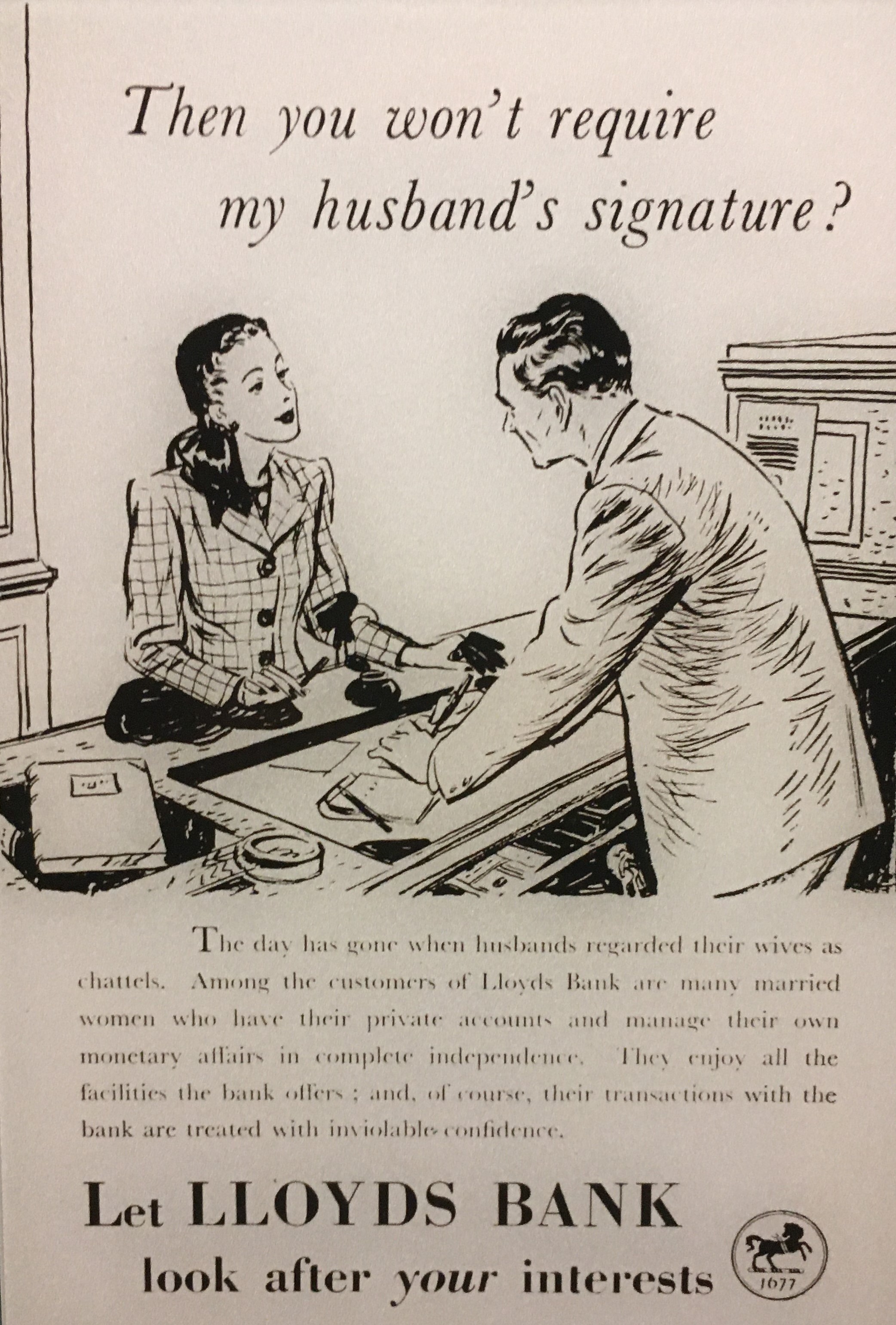
You can get the drift of 1960s attitudes to women from contemporary adverts at the museum:
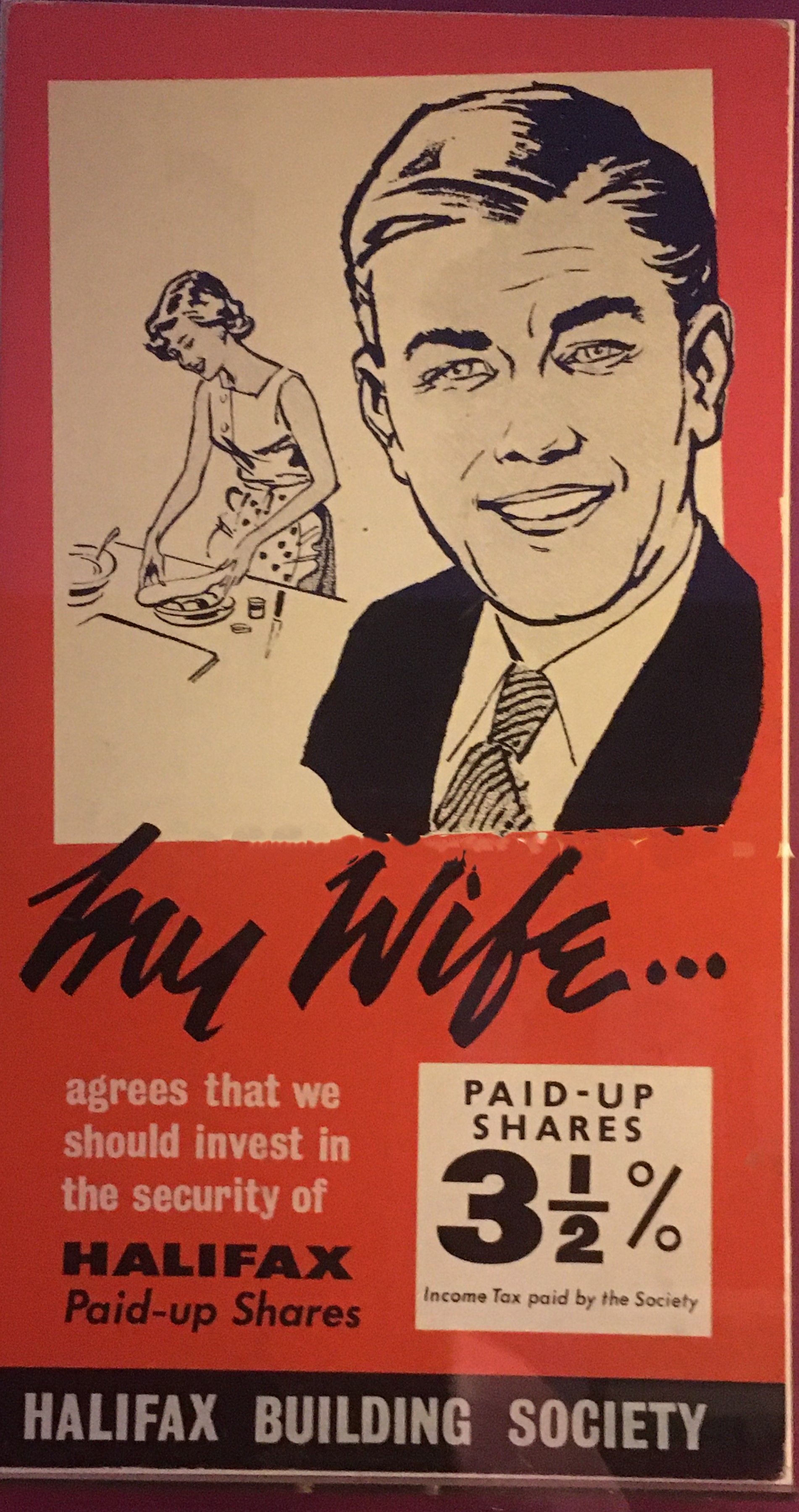
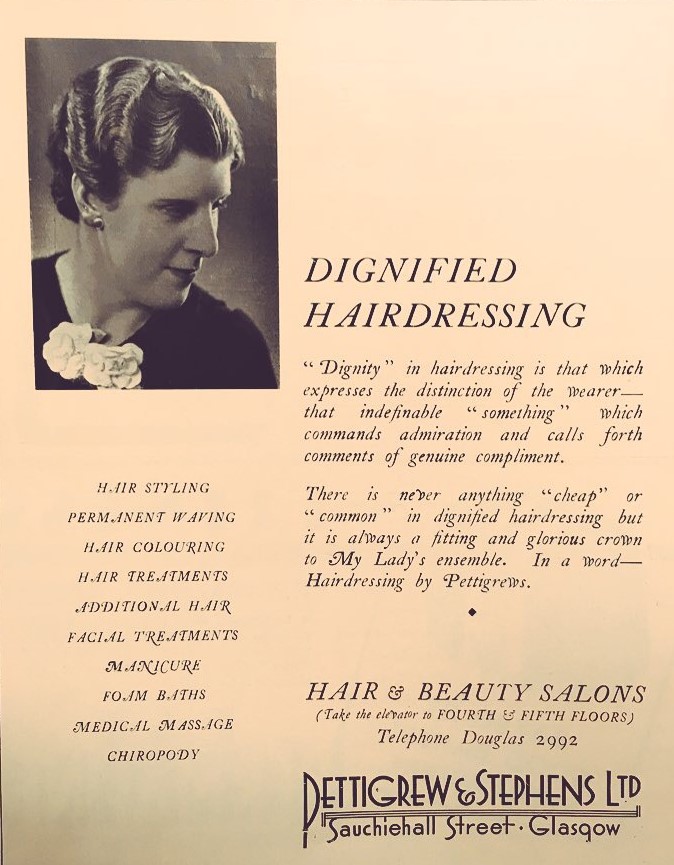
And going back another decade, we get the idea it was middle class females the advertisers were wooing. No place then for common or garden women.
Going back even further to the 1930s and there is delightful surprise – a short (9m) promotional film. You can see real people walking round Edinburgh ninety years ago – before all those pesky festivals – and an appreciation the sheer scale of all the banking, insurance and other financial institutions in George Street
The film was directed by Marion Grierson. She and her sister Ruby were both talented film-makers but overshadowed by their brother John Grierson, the father of the British documentary movement.
Watch it here at the BFI: https://player.bfi.org.uk/free/film/watch-edinburgh-1934-online
Or here https://youtu.be/98F2z8qh5Eo
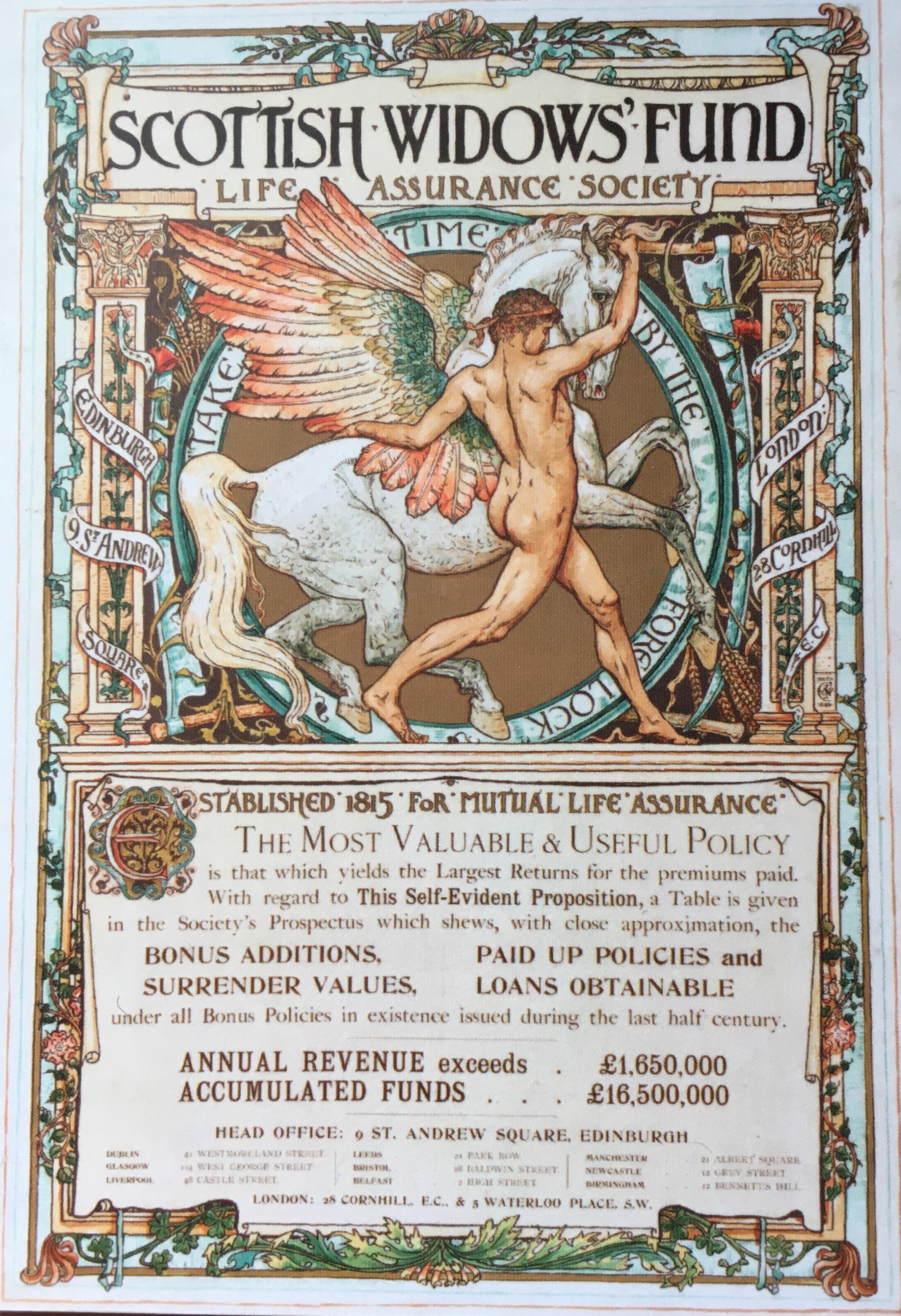
Last stop is St Andrew Square, the starting point for the New Town. It was the HQ for Scottish Widows, set up to provide financial security for the widows and sisters of men killed in the Napoleonic Wars.
In a corner of the square is the Prudential Assurance building, which was also home to the Scottish Women’s Hospitals in World War One – recognized by a plaque at Tiles bar. Setting up and running a string of hospitals across Europe was a huge organizational challenge.
The hospitals were entirely staffed by females, with the occasional exception, like Michelet, a brilliant Parisian chef who started out as a wounded patient at Royaumont and came back as their head cook.
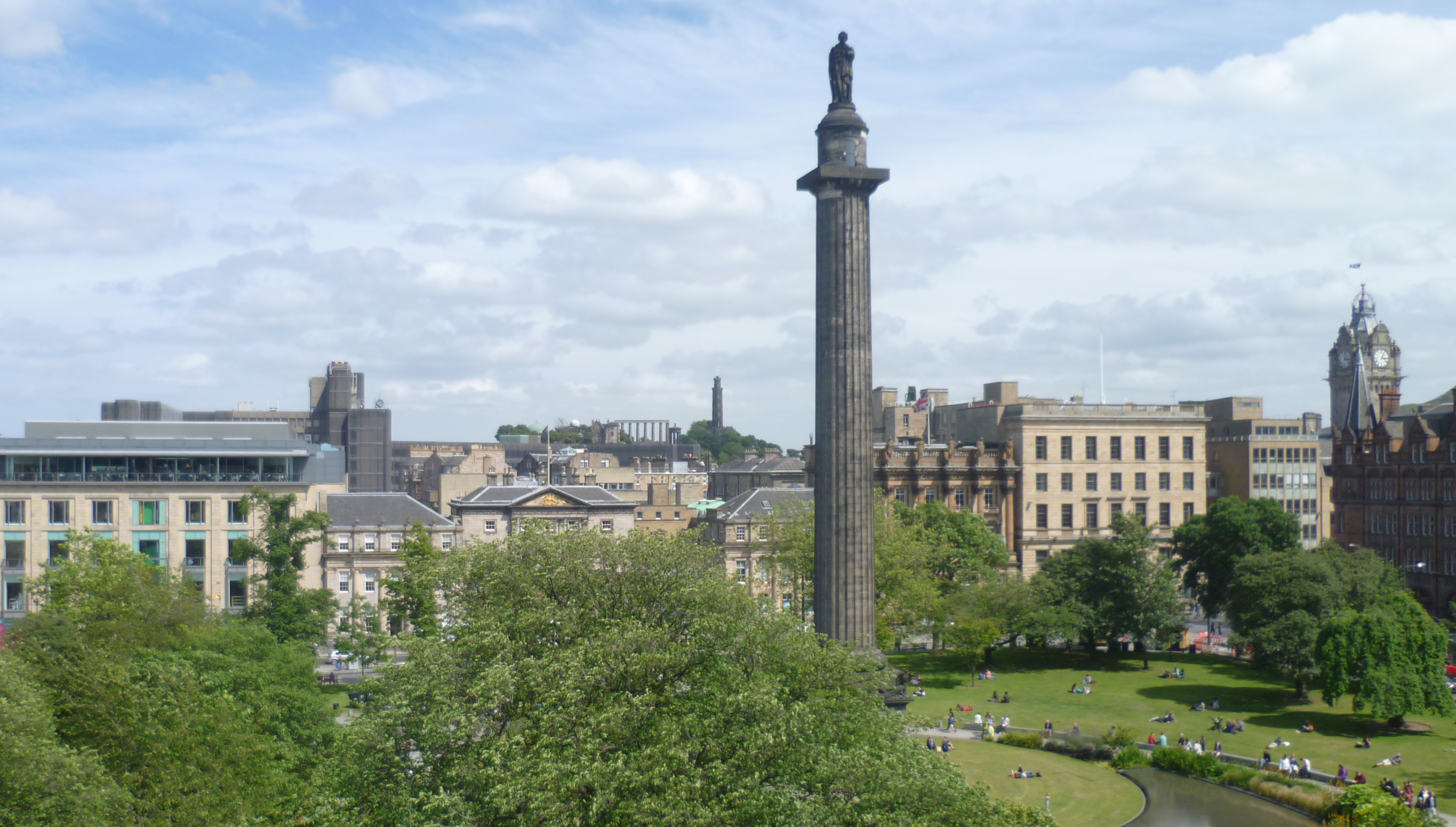
St Andrew Square became the epicentre of Scottish money, power, and masculinity. It is dominated by the pillar and statue of Henry Dundas, the first Viscount Melville.
As phallic symbols go, 150ft tall and weighing 1500 tons, it is in class of its own and dwarfs other statues in George Street of nonentities like the King and Prime Minister
Controversy has surrounded Dundas over his role in the gradual abolition of slavery and impeachment over the misuse of Navy funds deposited in Coutts bank in London.
But for over two decades until his death in 1811 Dundas was also the Governor of the Bank of Scotland. Over that period he also served as Home Secretary, Secretary of War, and First Lord of the Admiralty. So that’s all right – or at least it was then.
Dundas divorced his wife Elizabeth Rannie after she confessed her adultery with a young army officer in 1778. She was not even thirty years old and, as the law then prescribed, she lost everything – her property, money and their four children.
The law, like the New Town itself, was man-made. Elizabeth never saw her children again and she lived till the age of 97.
Categories: digital history, history on the web, medical and nursing


Leave a comment