Welcome to my first newsletter of 2024… it takes the theme of unheard voices and unsung heroes….
Old Bill
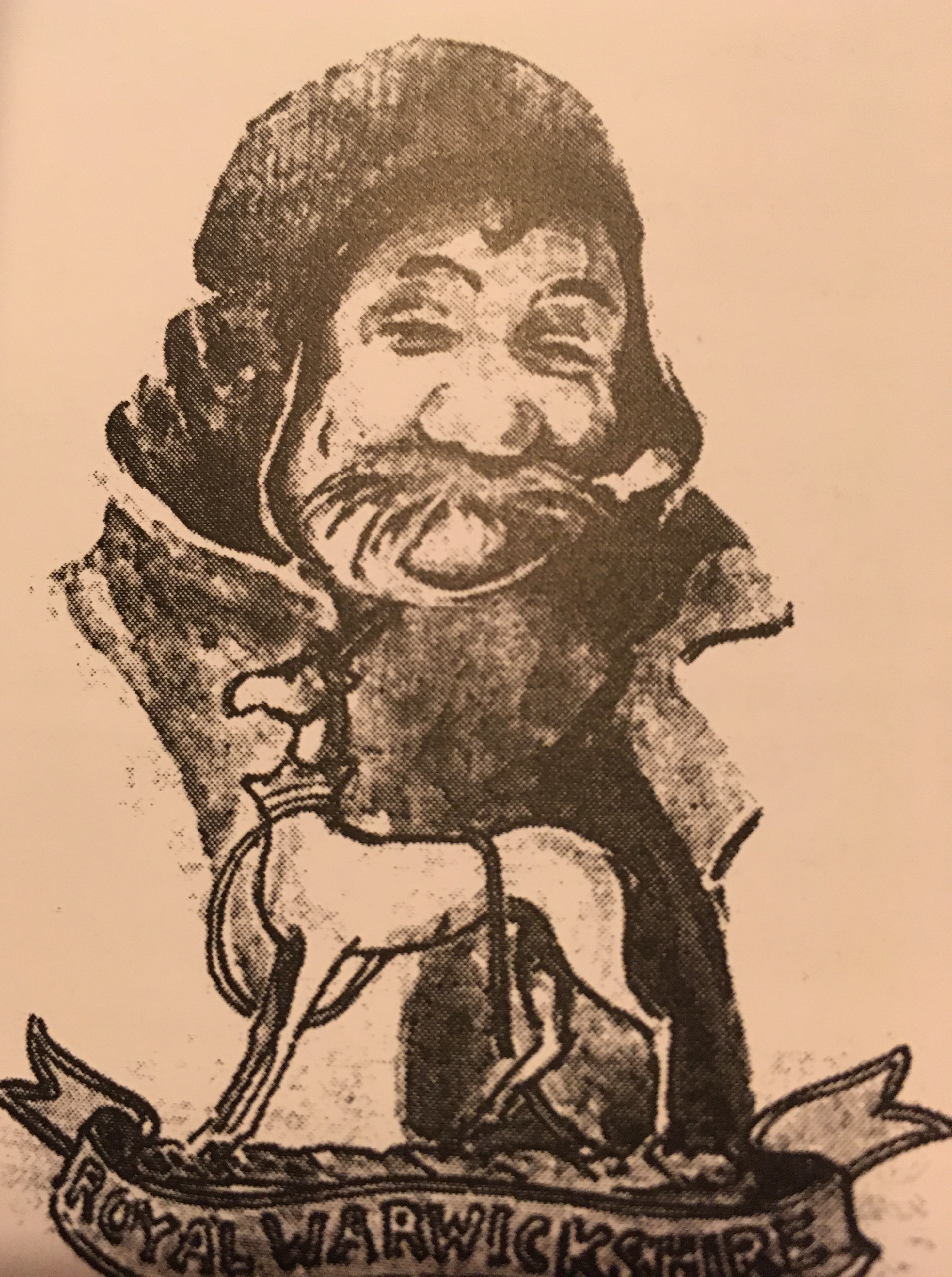
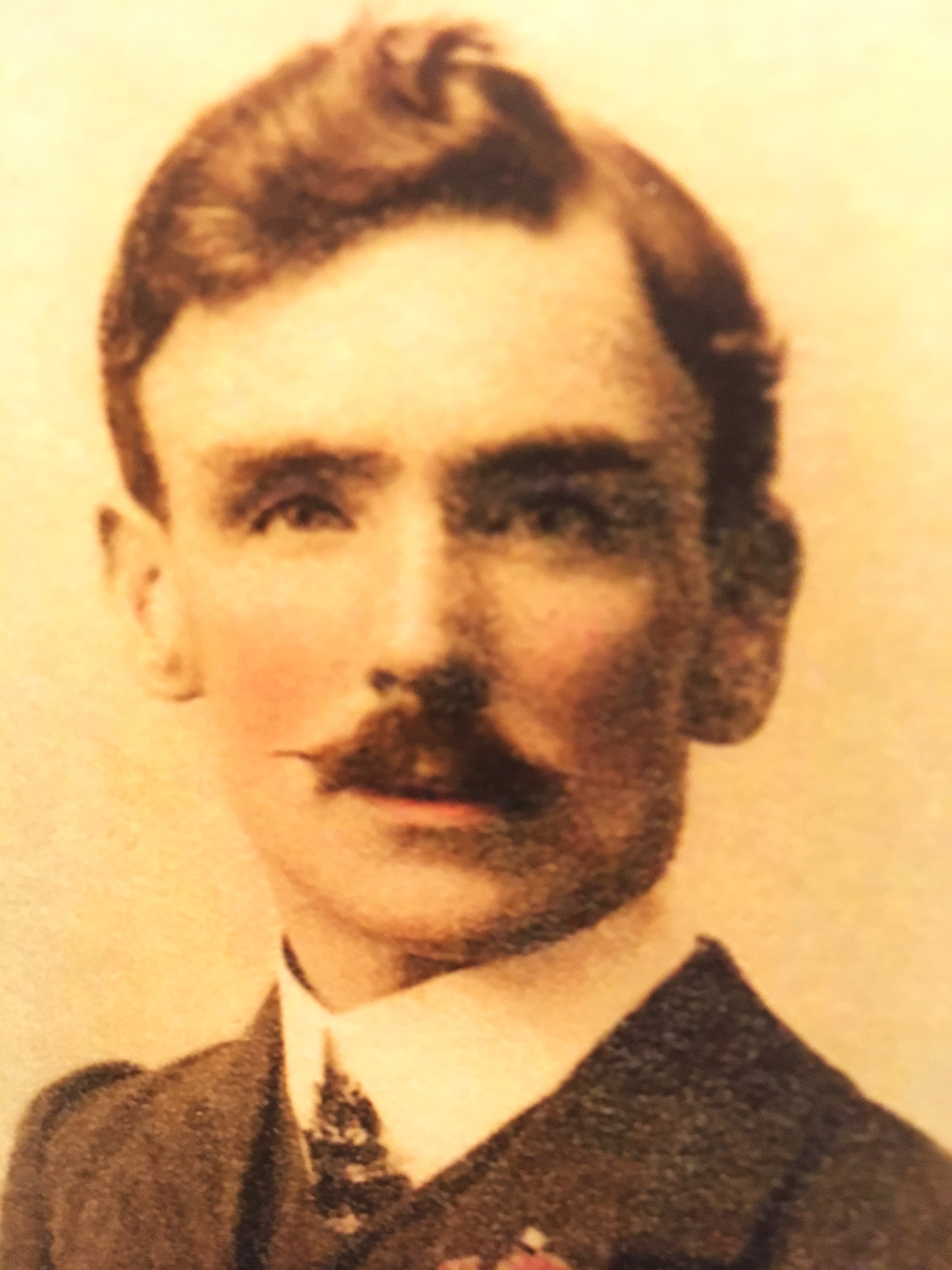
Old Bill (left) and Thomas Rafferty (right)
He was one of the best-known British characters from World War One. Artist Bruce Bairnsfather created the image of Old Bill from his time serving with the Royal Warwickshire’s on the Western Front.
He proved was instantly popular, prompting various stage shows and films. In real life, he was actually Tommy – Thomas Rafferty, a veteran regular soldier who later worked as a tram inspector in Birmingham.
Rafferty was killed at the second battle of Ypres in 1915. At one stage Bairnsfather denied he was his inspiration. Rafferty’s great nephew John Belcher has pieced together the evidence and makes a compelling case for the direct link.
It may also be that this was the source of Old Bill, the nickname for the Metropolitan Police favoured by Arthur Daley. Would you Adam and Eve it? It’s a very strong contender, although there are others – former UK Foreign Secretary and Glasgow Herald horseracing tipster Robin Cook reckoned it was a term for an a potentially dodgy person on the race course.
“In Search of Old Bill, the Life of Thomas Rafferty” by John Belcher, Brewin Books, Redditch, 2022.
Editor Thomas Small blogs on the book here.
Black Angels
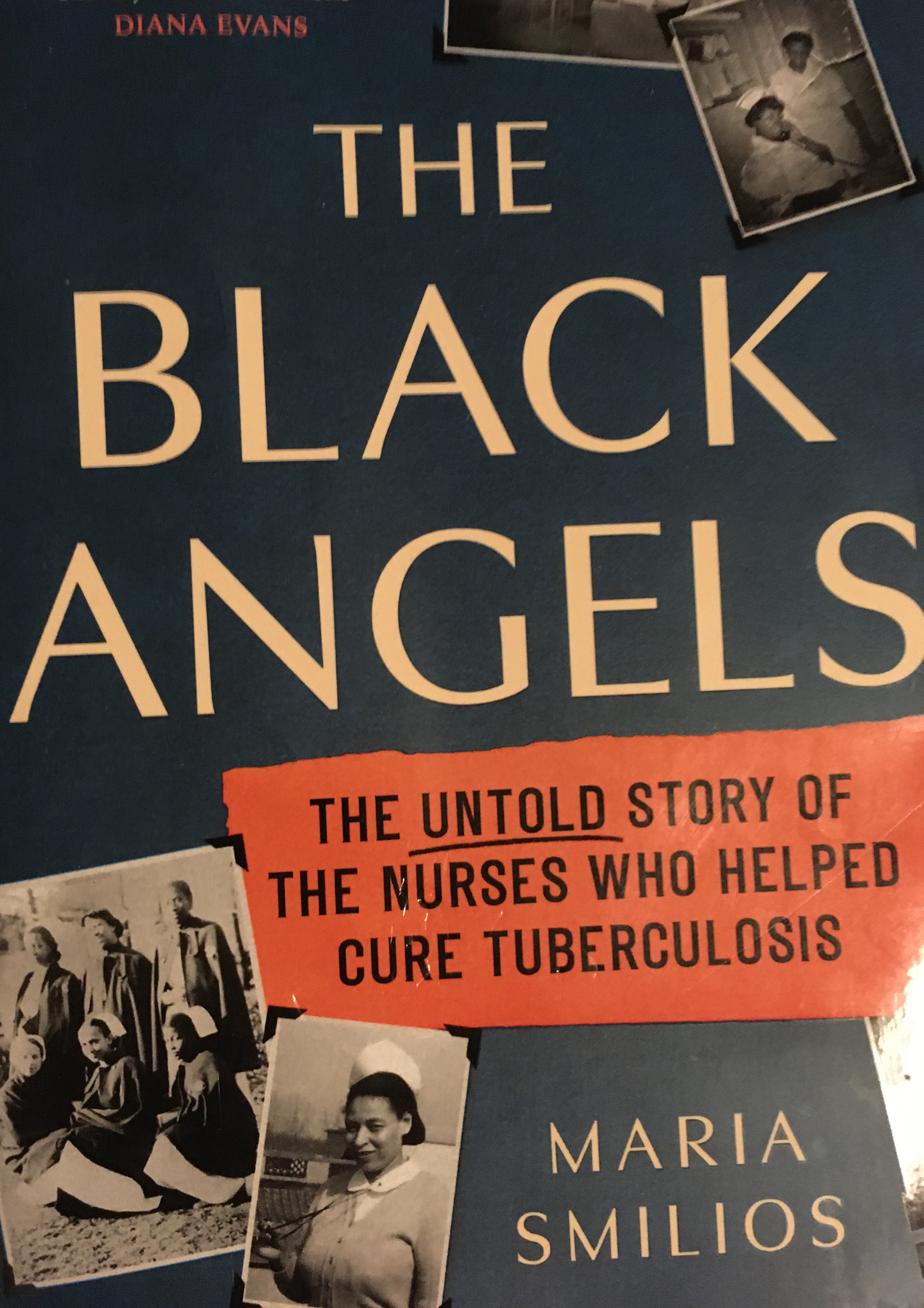
This new book is a magisterial achievement by author Maria Smilios. It is based on dozens of interviews with families of black nurses who worked at the Sea View hospital on Staten Island.
For starters, it’s written from the perspective of nurses which is rare indeed, especially those working in TB (tuberculosis) hospitals or sanatoria. Smilios weaves a compelling narrative of the African American nurses recruited from Southern states in 1929 to meet shortages after white nurses quit in droves, mostly because of fears of contracting TB from their patients.
It documents the daily struggles they faced over three decades against racism and prejudice not just from health authorities but also their professional white colleagues.
Their experiences mirrored the course of the disease itself. TB was notorious for relapses among patients – two steps forward and three steps back.
There are a couple of minor quibbles – America did provide sufficient supplies for the British Medical Council’s streptomycin trials (50kg was offered at a cost of $320,000), and Hoffmann-La Roche’s HQ is in Switzerland, not Sweden.
This is a beautifully written book with some fascinating side tracks into areas like the snake oil salesman selling adulterated sulpha drugs. I found it an utterly engrossing read.
“The Black Angels, the untold story of the nurses who helped cure tuberculosis” by Maria Smilios, Virago, 2023
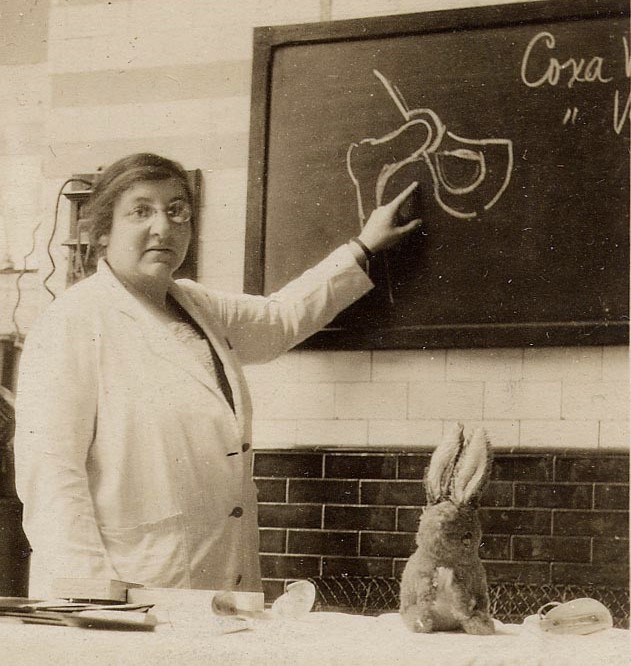
Gertie and Jamini
Early women doctors also faced a battery of prejudices, all the more so if they weren’t white and British.
Gertie Hertzfeld, daughter of Austrian immigrants, qualified as doctor in Edinburgh in 1914 – not the ideal time as World War One was just starting. She served as the first female house surgeon to Sir Harold Stiles at the Edinburgh Royal Hospital for Sick Children.
She became Scotland’s first practising female surgeon, making major contributions in developing paediatrics. Gertie was the second woman to be made a fellow of the Royal College of Surgeons of Edinburgh. There’s more on her life here
In 1912 Jamini Sen became the first female fellow of the Royal College of Physicians and Surgeons of Glasgow. A graduate of Calcutta Medical College, she had come to Europe on a Dufferin scholarship to improve her surgical skills.
Jamini went on to study In Berlin and the London School of Hygiene and Tropical Medicine before returning to India in 1924, later remarking: “I have a lot of responsibilities towards my sisters in my country. “ Read more here
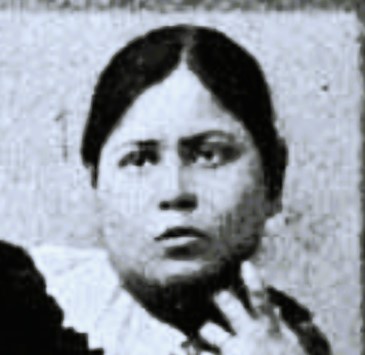
So some figures from the past – little known, unheard, and unsung but maybe less so now……….
Categories: case studies, history on the web, medical and nursing
 The History Company
wow!! 111Carnage at Paris Olympics (in 1924)